
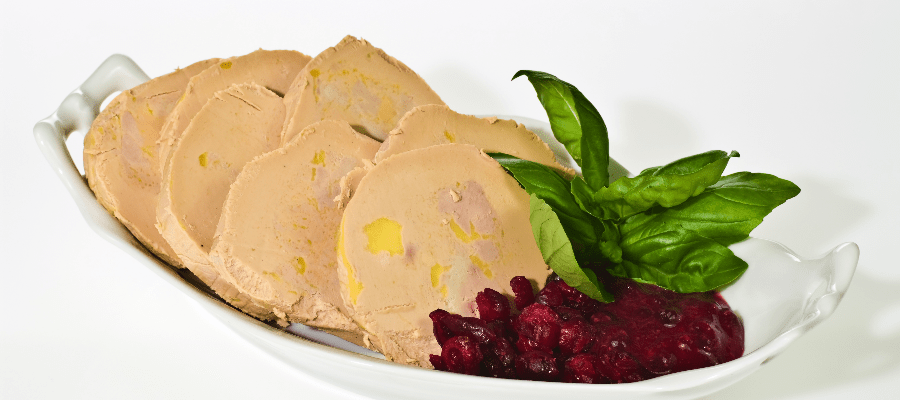
Foie Gras is a buttery French delicacy that is synonymous with power and luxury. The name comes from the French translation of the word – fat liver. It is an indispensible part of French Christmas menu. It has a rich and silky texture and has been considered a ‘fancy food’ for centuries. It is made from fattened liver of geese and duck.
There is so much controversy surrounding it due to the methods used to fatten the liver and its production has been banned in several countries. However, the ingredient has endured the controversies and is now popular among culinary circles. Chefs are getting creative and incorporating it in several cuisines.
Foie gras production:
Countries currently producing foie gras raise ducks and geese under low-stress environment since stress levels affect the quality of resulting foie gras. To enlarge the liver of the birds, farmers forcefully tube-feed them (known as ‘gavage’) which caused outrage amongst animal rights activists. The producers of foie gras claim that the process isn’t nightmarish like potrayed.
Authentic Foie Gras online:
Though currently it is considered French staple, the origins of foie gras doesn’t trace back to France. However, if you are looking for authentic foie gras, opt only for reputed French-companies. Check out the website of Foie Gras Gourmet and select your preferred hamper.
They are the top-choice for foie gras lovers due to their richness and melting taste. They offer worldwide shipping and feature several top French brands. Their high-quality products are sought-after globally. Book your order today and enjoy the richness of traditional foie gras. Are you curious to know about its history and the controversies surrounding it?
A glimpse into foie gras history
- Egyptians: Around 2500 BC Egyptians happened to taste geese liver before their migration period and loved the taste. Birds usually consume more food before migration so that the extra calories stored in their liver and kidney and serves as fuel. Eventually Egyptians started domesticating geese and cows on a large-scale.
- Greece and Rome: Geese were over-fed with wheat soaked in water initially and Romans later realized that feeding them certain fruits enhanced the flavour of the bird’s liver further. Romans officially were the first to raise geese for the purpose of yielding foie gras and it was called ‘iecur ficatum’ which translates to ‘fig-stuffed liver’.
- European Jews: European Jews used foie gras to cook meat in place of butter and lard since both these ingredients were banned by law. By 1500s foie gras was widely used across Europe.
- France: During the reign of Louis XIV in mid 1700s, he proclaimed the delicacy as the ‘dish of kings’. In 1778, he was highly impressed by a foie gras recipe and awarded the chef with twenty pistols and an estate. After his fall foe gras was made available in several restaurants and it was no more reserved to only royalty.
Even amidst so many controversies France accounts for 80% of global foie gras produce and is symbol of French cuisine. Purchase it online and relish it from any part of the world.
 Virtually Travel