
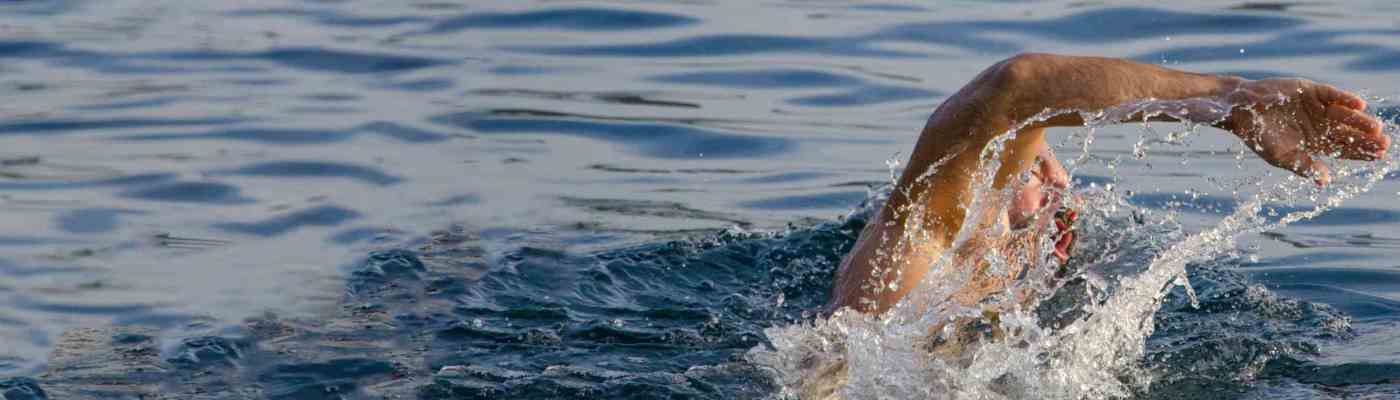
Cold water swimming has been growing in popularity across Canada, with many outdoor enthusiasts drawn to the mental and physical benefits it offers. From improved circulation to reduced stress and a sense of invigoration, plunging into icy waters can be both challenging and rewarding. However, swimming in cold water requires special preparation to ensure safety and comfort.
If you’re new to the idea and want to give it a try, here’s a beginner’s guide to cold water swimming in Canada, helping you embrace this adventurous activity while staying safe.
1. Understand the Benefits of Cold Water Swimming
Cold water swimming can seem intimidating at first, but it offers many benefits that make the experience worthwhile. Regular exposure to cold water has been shown to improve circulation, boost the immune system, and even improve mood by releasing endorphins. Some swimmers also find that it increases their resilience to stress and helps with recovery from intense physical activity.
In addition to the physical benefits, cold water swimming allows you to connect with nature and experience Canada’s beautiful lakes, rivers, and oceans in a whole new way. The sense of accomplishment that comes with taking the plunge is something many swimmers cherish.
2. Choose the Right Location
Canada is home to many pristine bodies of water perfect for cold water swimming. However, not all locations are safe for beginners. Start with areas where there are designated swimming spots or a local community of cold water swimmers. Popular spots often have resources like lifeguards, clear water entry points, and safety guidelines in place.
For example, Vancouver’s Kitsilano Beach and Toronto’s Woodbine Beach are common cold-water swimming destinations. Lakes and rivers in rural areas can also be great spots, but make sure to research water conditions, currents, and potential hazards before diving in.
3. Start Slowly and Acclimatize
When you first begin cold water swimming, it’s crucial to ease your way in. Don’t rush into staying in for long periods; instead, start with short dips. Gradually increase the time you spend in the water as your body becomes more accustomed to the cold.
A good rule of thumb is to spend about one minute in the water for every degree Celsius of water temperature. So, if the water is 10°C, aim for no more than 10 minutes initially. Acclimating your body slowly is key to enjoying the experience without overwhelming your system.
4. Invest in the Right Gear
While some cold-water swimmers enjoy the minimalist approach of swimming in just a bathing suit, beginners will benefit from extra gear to make the experience more comfortable. A wetsuit is one of the best investments you can make for cold water swimming, as it helps retain body heat and protects you from the harshest conditions. Wetsuits come in various thicknesses, with thicker suits providing more insulation in colder water.
Neoprene swim caps, gloves, and booties are also great for keeping your extremities warm. These accessories help you stay in the water longer and enjoy the experience without the discomfort of freezing fingers or toes.
5. Get Changed More Comfortably
After emerging from cold water, your priority should be getting warm as quickly as possible. The body continues to lose heat even after you exit the water, so it’s crucial to get dry and change into warm clothes immediately. A useful tip for beginners is to bring a changing robe or dry robe, which is a practical piece of gear that helps you get changed more comfortably outdoors.
These robes are insulated, waterproof, and allow you to change into warm, dry clothing with ease, even when there’s no changing facility available. They’re perfect for those chilly Canadian mornings when you just want to get out of your wet swimwear and into something cozy without fumbling in the cold.
6. Learn to Control Your Breathing
Cold water can take your breath away—literally. As soon as you enter icy water, your body may react with an initial shock, causing rapid, shallow breathing. The key to overcoming this is learning to control your breath. Focus on long, slow breaths to help calm your body and mind.
By staying calm and regulating your breathing, you’ll find it easier to stay in the water and reduce the risk of panic. Practice deep breathing techniques before you enter the water and maintain steady breathing throughout your swim.
7. Swim with Others for Safety
Never swim alone, especially when you’re just starting out. Cold water swimming presents unique challenges that make having a swim buddy essential for safety. Swimming with a group or in the company of experienced cold water swimmers ensures that help is nearby if needed.
Swimming with others also builds camaraderie and can make the experience more enjoyable. In many Canadian cities, cold water swimming groups are available where beginners are welcomed and supported by more experienced swimmers.
8. Know the Warning Signs of Hypothermia
While cold water swimming can be an exhilarating experience, it’s important to know your limits and be aware of the signs of hypothermia. Shivering, numbness, slurred speech, confusion, and loss of coordination are all warning signs that your body is too cold. If you or someone you’re swimming with begins to experience these symptoms, it’s crucial to exit the water immediately and seek warmth.
Always bring a thermos of warm drinks and have plenty of layers to bundle up in after your swim.
9. Warm Up Gradually After Your Swim
After your swim, avoid jumping into a hot shower or bath immediately. Instead, warm up gradually by layering dry, warm clothes and drinking something hot like tea or soup. Rushing into extreme heat can sometimes shock the body, so it’s best to let your body temperature rise slowly.
Cold water swimming in Canada is an incredible experience that connects you with nature while providing numerous physical and mental health benefits. By following this beginner’s guide, you’ll be well-prepared to dive into cold water swimming safely and confidently. Remember, a changing robe is one of the best ways to get changed more comfortably, helping you to fully enjoy the thrill of cold water swimming without the post-swim chill.
 Virtually Travel