
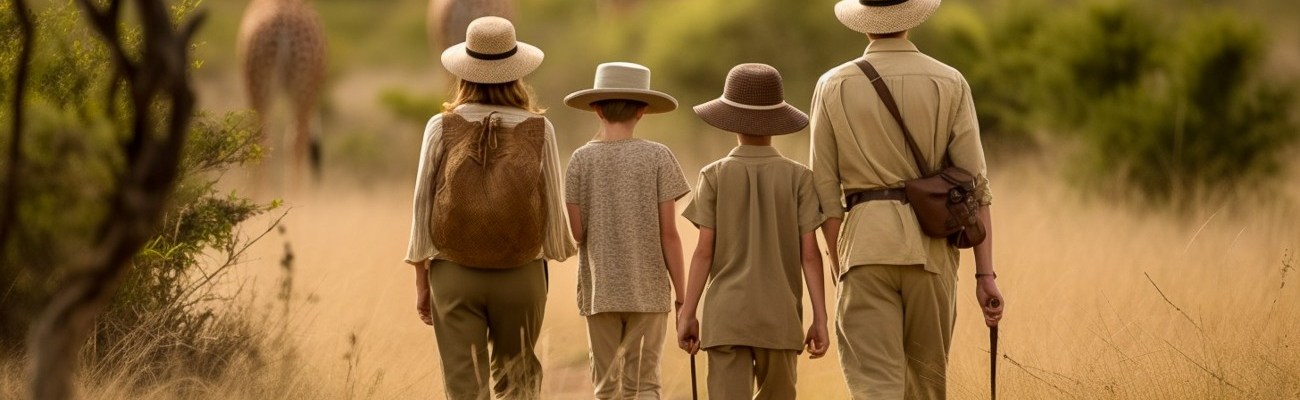
Africa is a continent of untamed beauty, rich wildlife, and breathtaking landscapes. For many travelers, embarking on an African safari is the ultimate dream—a chance to witness majestic animals like lions, elephants, and giraffes in their natural habitats while immersing themselves in diverse cultures and ecosystems. However, planning a safari can seem overwhelming, especially if it’s your first time traveling to Africa. From choosing the right destination to packing essentials, this step-by-step guide will help you create a seamless itinerary that ensures an unforgettable experience.
Step 1: Choose Your Destination
Africa offers countless safari destinations, each with its unique charm and wildlife offerings. The first step in planning your dream safari is deciding where to go. Here are some popular options:
East Africa
- Serengeti National Park (Tanzania) : Known for the Great Migration, where millions of wildebeest and zebras traverse the plains annually.
- Maasai Mara National Reserve (Kenya) : Offers incredible predator sightings and year-round game viewing opportunities.
- Ngorongoro Crater (Tanzania) : A UNESCO World Heritage Site teeming with wildlife within a volcanic caldera.
Southern Africa
- Kruger National Park (South Africa) : Ideal for self-drive safaris and close encounters with the Big Five (lion, leopard, rhino, elephant, buffalo).
- Okavango Delta (Botswana) : Famous for its water-based safaris and abundant birdlife.
- Chobe National Park (Botswana) : Home to one of the largest elephant populations in Africa.
West Africa
While less known for traditional safaris, countries like Namibia and Zambia offer unique experiences such as desert-adapted wildlife in NamibRand Nature Reserve or walking safaris in South Luangwa National Park.
Consider factors like accessibility, budget, and personal interests when selecting your destination. Research visa requirements, vaccination needs, and seasonal highlights to narrow down your choices.
Step 2: Decide on the Best Time to Visit
Timing plays a crucial role in maximizing your Safari Africa experience. Most African parks have distinct wet and dry seasons, which significantly impact animal behavior and visibility.
- Dry Season : Typically from June to October, the dry season is considered the best time for safaris. Vegetation thins out, making it easier to spot animals congregating around water sources.
- Wet Season : Occurring between November and May, the wet season brings lush greenery and newborn animals. While roads may be muddy, rates are often lower, and migratory birds add vibrancy to the landscape.
If witnessing specific events like the Great Migration is part of your bucket list, plan accordingly. For instance, July through September is ideal for seeing river crossings in the Serengeti and Maasai Mara.
Step 3: Set a Realistic Budget
African safaris range from luxury lodges to budget-friendly camping adventures. Establishing a realistic budget early on will help you tailor your trip to meet your financial expectations without compromising quality.
Luxury Safaris
These typically include private guides, gourmet meals, and exclusive accommodations. Expect to pay anywhere from 500toover1,000 per person per night.
Mid-Range Options
Offer comfortable lodging and guided tours at more affordable prices (200–500 per night).
Budget Safaris
Perfect for adventurous travelers who don’t mind shared facilities and basic amenities. Costs can start as low as 50–150 per night.
Keep in mind additional expenses like international flights, park fees, tipping, and souvenirs. Consider booking during shoulder seasons (April/May or November) for better deals.
Step 4: Select Your Accommodation Type
Accommodations vary widely across Africa, catering to different preferences and budgets:
- Lodges : Permanent structures offering modern amenities and stunning views. Great for families or those seeking comfort.
- Tented Camps : Provide a blend of luxury and wilderness immersion. Some even feature en-suite bathrooms and fine dining under the stars.
- Mobile Camps : Move locations periodically, allowing guests to follow wildlife migrations closely.
- Camping : DIY enthusiasts might opt for self-catered campsites, though these require prior preparation.
Research reviews and photos online to ensure your chosen accommodation aligns with your vision of an ideal safari stay.
Step 5: Book Guided Tours or Plan Self-Drive Adventures
Depending on your level of expertise and preference, decide whether to join guided tours or explore independently.
Guided Safaris
Led by experienced rangers, guided safaris provide invaluable insights into animal behavior, flora, and local culture. They also handle logistics, ensuring a stress-free journey.
Self-Drive Safaris
For confident drivers familiar with off-road conditions, self-drive safaris allow flexibility and independence. Popular destinations like Kruger National Park are well-suited for this option.
Whichever route you choose, always prioritize safety and adhere to park regulations.
Step 6: Prepare for Health and Safety
Traveling to Africa requires careful attention to health and safety protocols:
- Vaccinations : Consult your doctor about necessary vaccinations, including yellow fever, hepatitis A/B, typhoid, and malaria prophylaxis.
- Travel Insurance : Invest in comprehensive travel insurance covering medical emergencies, evacuation, and trip cancellations.
- Safety Precautions : Follow guidelines provided by your tour operator or lodge staff. Avoid approaching wild animals and respect designated boundaries.
Step 7: Pack Smartly
Packing efficiently is key to enjoying your safari adventure. Here’s a checklist of essential items:
- Clothing : Neutral-colored clothing (khaki, beige) to blend into the environment; lightweight layers for varying temperatures.
- Footwear : Comfortable hiking shoes and sandals for warm evenings.
- Gear : Binoculars, camera with extra batteries/memory cards, sunscreen, insect repellent, and a reusable water bottle.
- Documents : Passport, visas, travel insurance, flight tickets, and vaccination certificates.
Remember, most airlines impose baggage restrictions, so pack light but smartly.
Step 8: Embrace Local Culture
An African safari isn’t just about wildlife—it’s also an opportunity to connect with local communities. Engage in cultural activities like visiting Maasai villages, learning traditional dances, or sampling regional cuisine. Supporting community-based tourism initiatives contributes positively to conservation efforts and empowers local residents.
Step 9: Practice Responsible Tourism
As a visitor to Africa’s pristine wilderness areas, practice sustainable tourism principles:
- Respect Wildlife : Observe animals quietly and maintain safe distances.
- Minimize Waste : Carry reusable items and dispose of trash responsibly.
- Support Conservation : Choose eco-friendly operators and contribute to projects protecting endangered species.
By being mindful of your environmental footprint, you’ll leave behind only footprints and take home cherished memories.
Final Thoughts
Planning your dream safari in Africa doesn’t have to be daunting. By following this step-by-step guide, you can craft an itinerary tailored to your interests, budget, and timeline. Whether you’re marveling at the thunderous roar of a lion or watching a herd of elephants bathe in a sunlit river, every moment spent on an African safari promises awe-inspiring wonder. So, lace up your boots, grab your camera, and get ready to embark on the adventure of a lifetime!
 Virtually Travel