
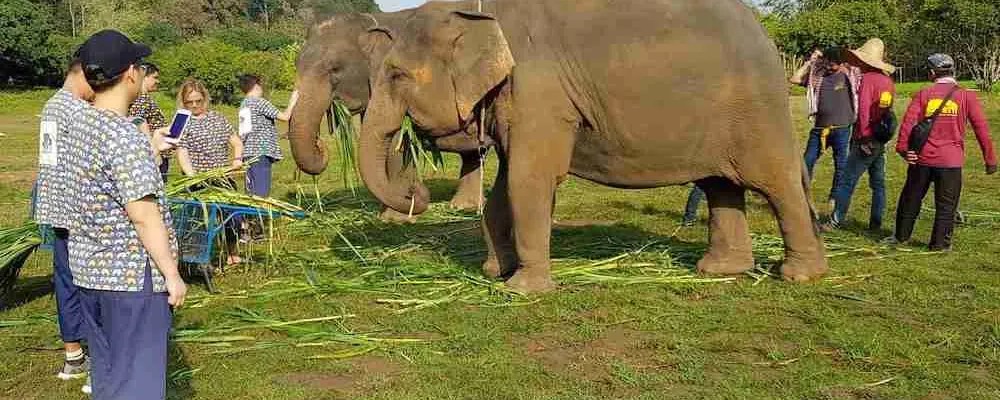
Morning routines can reveal much about how rescued elephants live.At elephant sanctuary samui, scheduled activities center on care and observation.Feeding sessions show natural eating habits under careful supervision.Guided walks provide useful details about movement and behaviour.Learning sessions explain how responsible care supports rescued animals.Each activity allows visitors to watch without demanding unnatural actions.
Feeding Sessions Reveal Natural Eating Habits
Feeding gives visitors a direct view of ordinary elephant behaviour.Staff guidance helps keep each session controlled and respectful.
Animals can receive suitable items according to their dietary needs.The activity also shows differences between individual eating patterns.
Guided Walks Encourage Careful Wildlife Observation
Walking sessions allow visitors to notice movement from suitable distances.Elephants can continue ordinary routines while guides explain visible behaviors.
Such observation gives useful context without requiring performances.Quiet surroundings can also reduce unnecessary interruptions during walks.
Learning Activities Explain Elephant Welfare
Educational sessions connect daily behaviour with responsible animal care.Simple explanations can help visitors understand rescue backgrounds better.
- Guides explain common behaviors observed during supervised activities clearly.
- Visitors learn how elephants communicate through ordinary body movements.
- Care sessions show how routines support daily animal welfare.
- Feeding demonstrations explain suitable methods for supervised participation.
- Walking programs reveal natural movement patterns within open areas.
- Rescue information provides context about earlier living conditions.
- Observation periods allow animals to continue familiar daily activities.
- Staff instructions help visitors maintain respectful conduct throughout sessions.
Observation Builds Deeper Wildlife Awareness
Careful viewing can reveal differences between individual elephant personalities.Some animals may remain active during certain daily periods.
Others may prefer longer resting intervals after movement.Guides can explain these differences during scheduled observation sessions.
What Makes Elephant Activities More Responsible for Visitors?
Responsible activities give animals priority throughout scheduled visitor sessions.Feeding should happen only under clear staff supervision.
Walking should follow designated routes without unnecessary animal pressure.Observation should remain quiet when elephants continue ordinary routines.Visitors should follow every instruction provided before participation begins.Such conduct helps preserve suitable conditions for daily care.
Questions About Feeding, Learning, and Observation
Visitors often have practical questions before joining animal care activities.Clear guidance can make participation easier to understand before arrival.
Feeding sessions generally provide controlled opportunities to observe eating habits.Guides explain appropriate participation before visitor’s approach feeding areas.
Activities can vary according to schedules and current care needs.Some sessions focus more heavily on education than interaction.
Visitors should follow staff directions throughout every scheduled program.Quiet observation remains useful when animals move independently.
Responsible conduct helps avoid unnecessary disturbance during ordinary routines.The central purpose remains learning through respectful wildlife observation.
Daily Programs Follow Animal Care Priorities
Scheduled activities need to fit existing animal routines.Care teams must consider weather, behaviour, feeding times, and rest.
Visitor programs can therefore differ according to daily conditions.Flexibility helps protect ordinary routines when circumstances change.
Common Questions Visitors Often Ask
- What happens during supervised feeding activities at elephant sanctuaries?Visitors observe feeding behaviour while following instructions from trained guides.
- How do guided walks support responsible wildlife learning during visits?They show movement patterns without requiring unnatural animal performances.
- Can visitors learn about elephant communication during observation sessions?Guides can explain visible gestures, sounds, movement, and social behaviour.
- Are all activities suitable for every visitor during scheduled programs?Suitability depends on program rules, timing, physical needs, and guidance.
- What should visitors remember before joining feeding sessions?Follow staff directions carefully and avoid sudden movements near elephants.
- Does observation require direct contact with rescued elephants during activities?No, useful learning can happen through calm observation without contact.
Visitor Conduct Supports Better Animal Care
Respectful behaviour helps maintain suitable conditions during scheduled activities.Visitors should avoid shouting or sudden movements around animals.
Following instructions also helps staff manage groups more effectively.Simple conduct choices can support calmer observation throughout each program.Thoughtful Activities Leave Clearer UnderstandingThe elephant sanctuary samui offers activities centered on feeding, learning, and observation.Each program can show different aspects of responsible elephant care.

